
A SCARE AT SAMHAIN

2 hours and 30 minutes

Easy

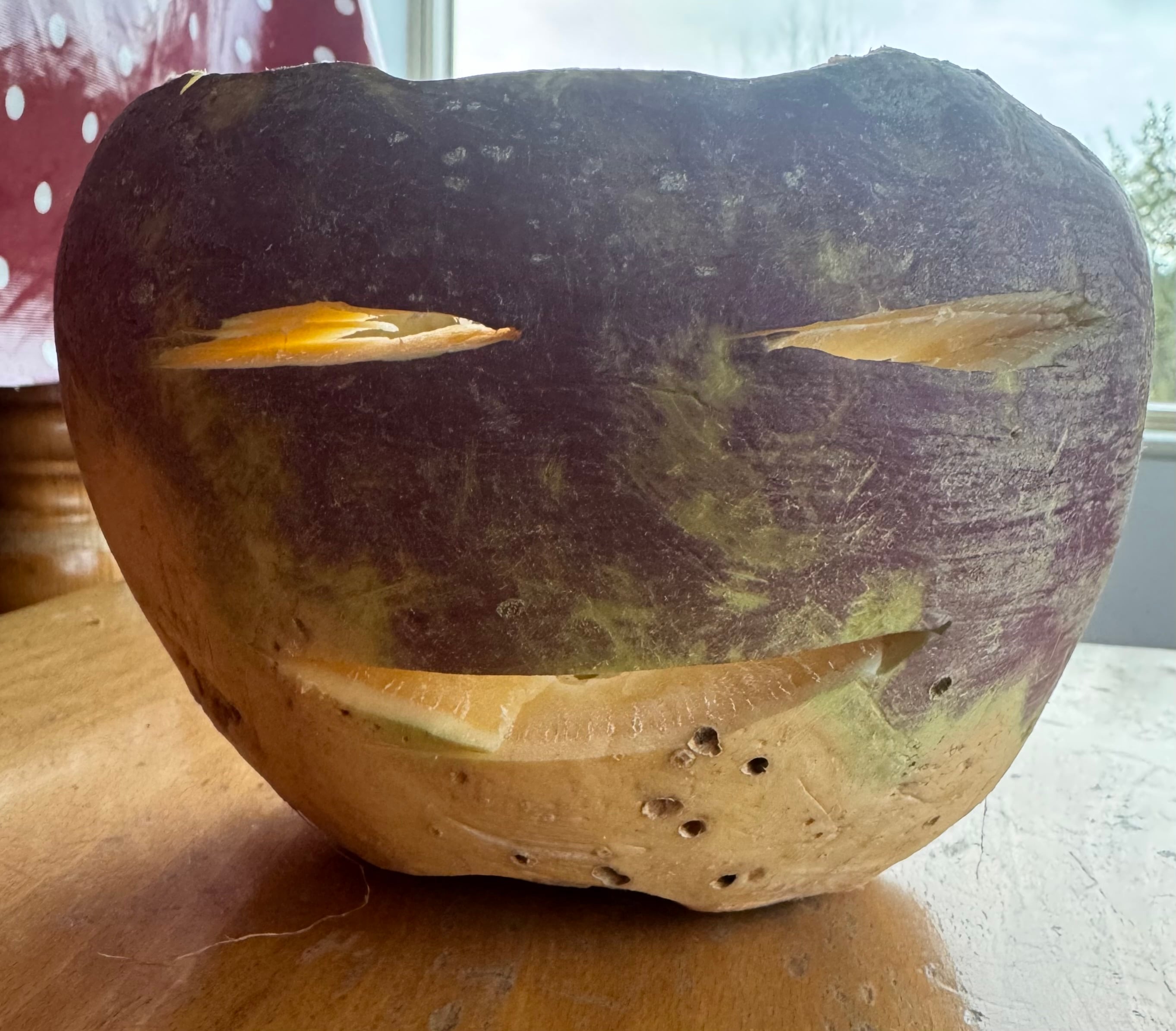
Halloween didn’t begin with pumpkins. Step into the older Irish traditions of Halloween with mask-making, storytelling and encounters with the bean sí, púca and cailleach in our completely reimagined Samhain experience at the Leap Scarecrow Festival.

17th OCTOBER - 1st NOVEMBER 2026

NO PUMPKINS. NO THIN VEILS. NO MAKE-BELIEVE HISTORY.

For couples, families and those curious about Halloween’s Irish roots.

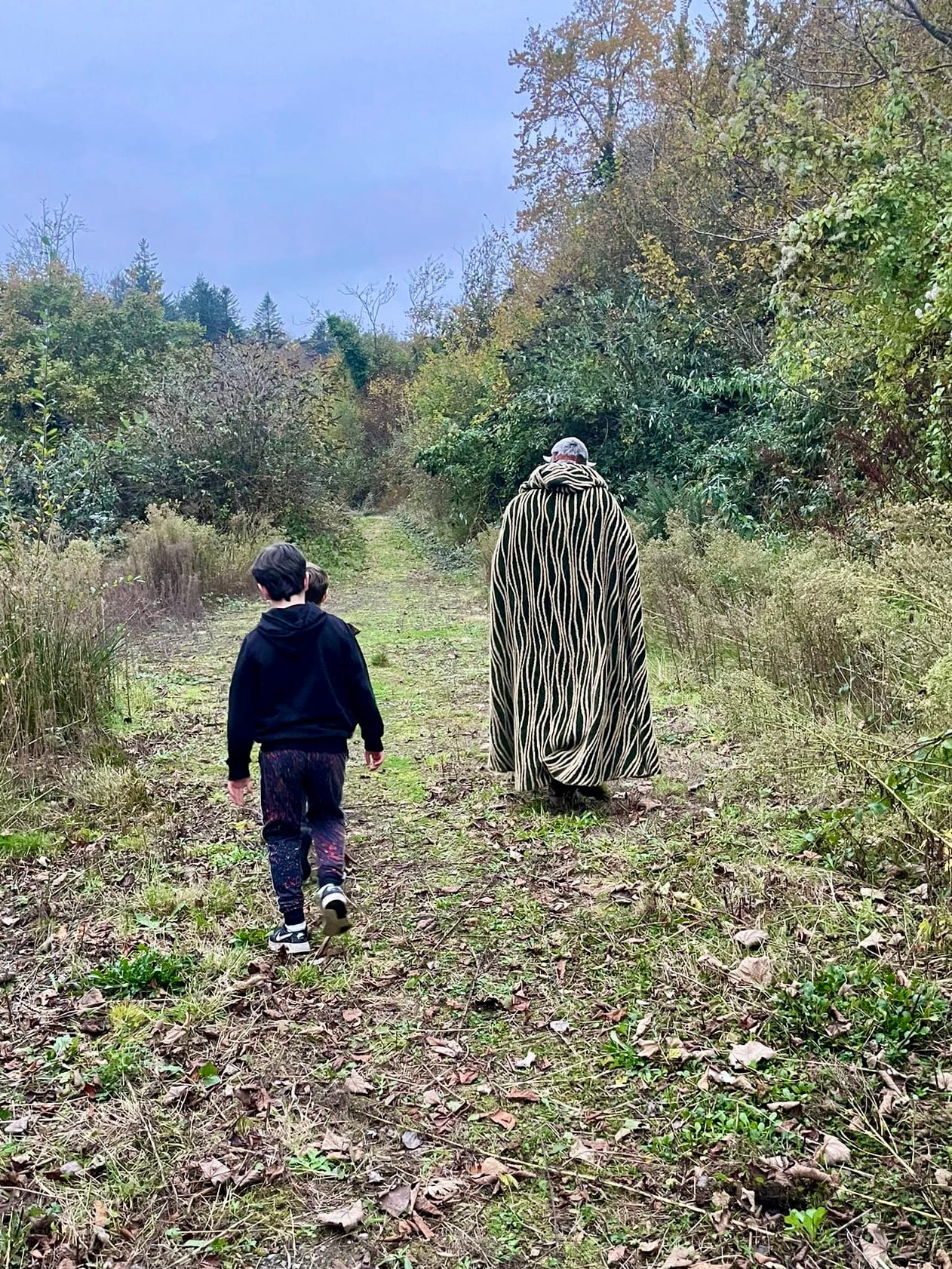
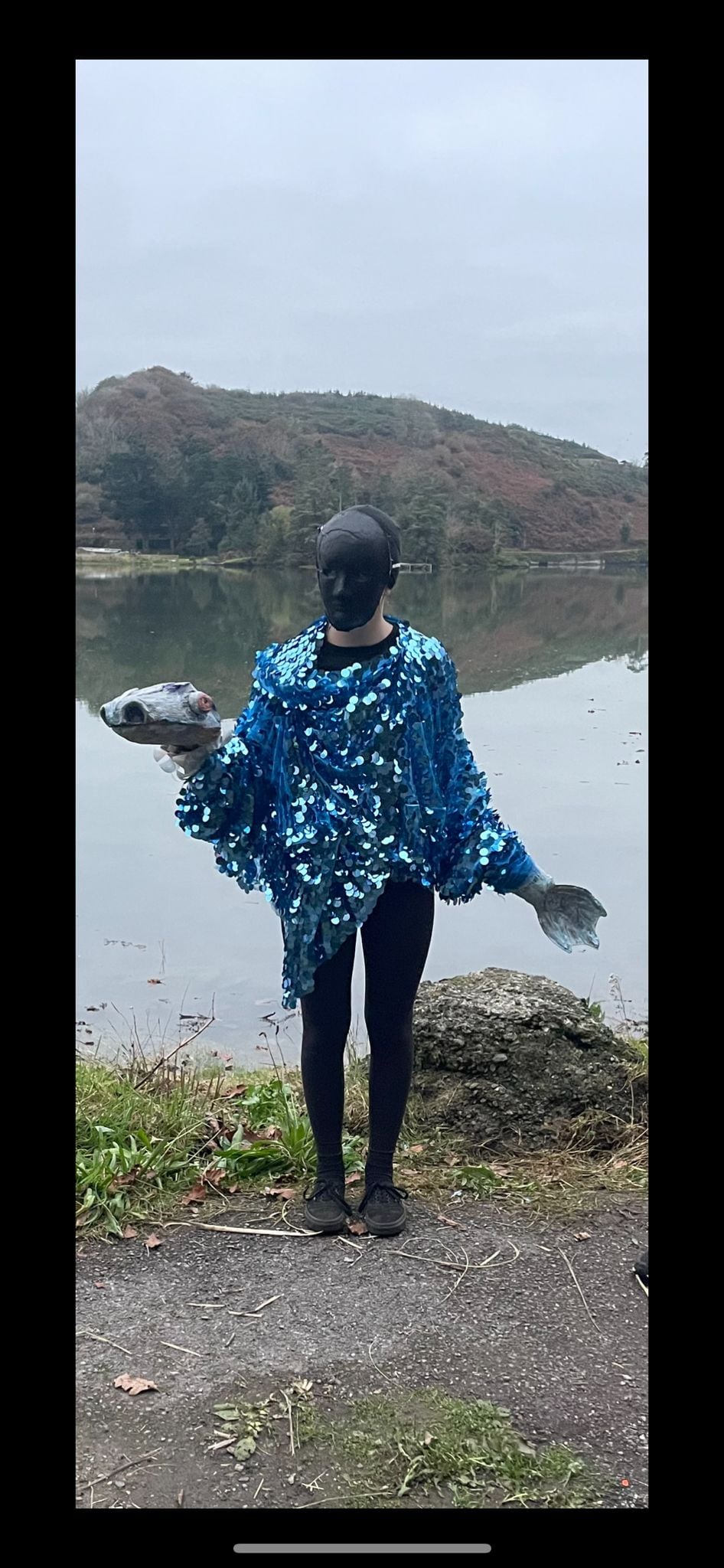
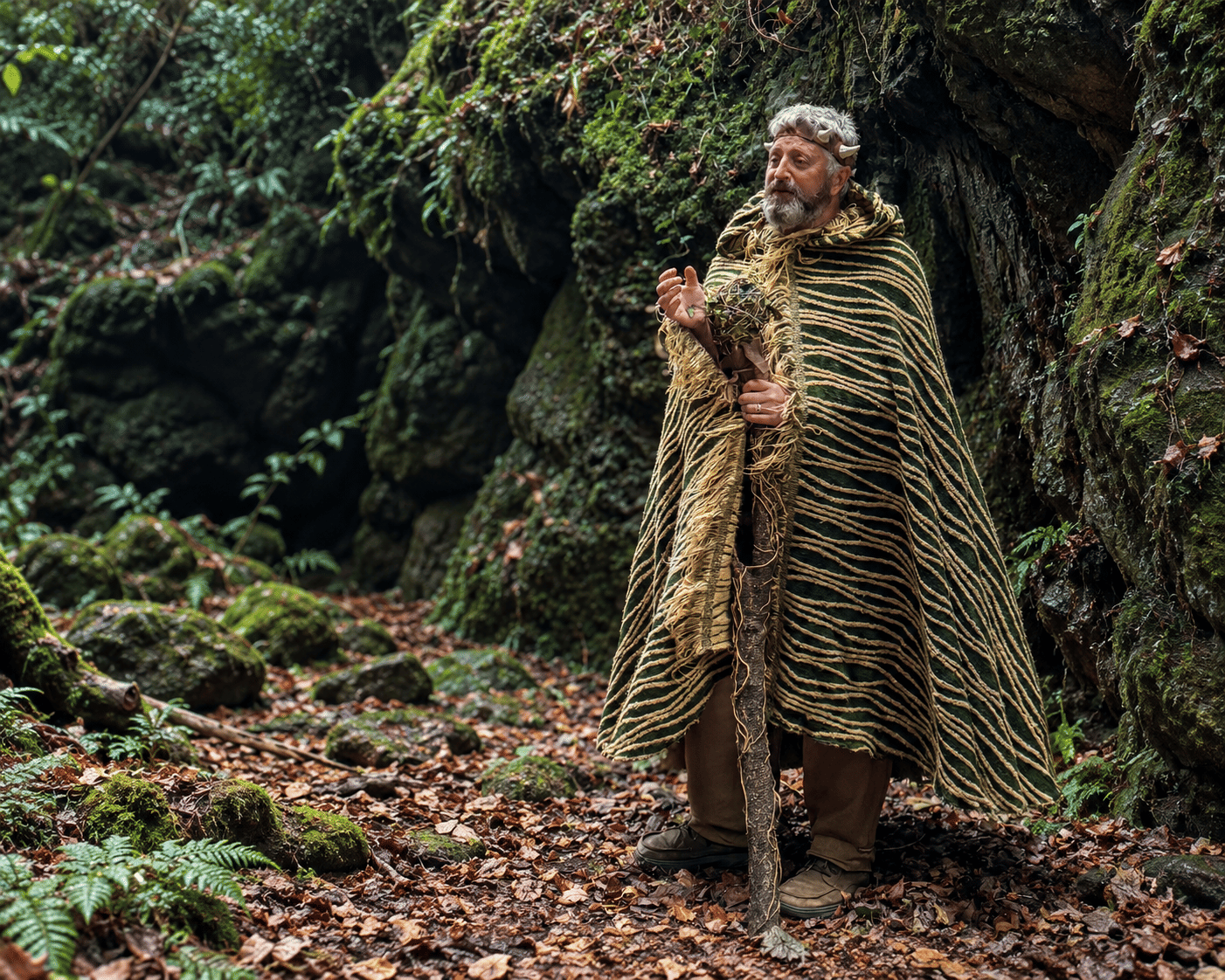
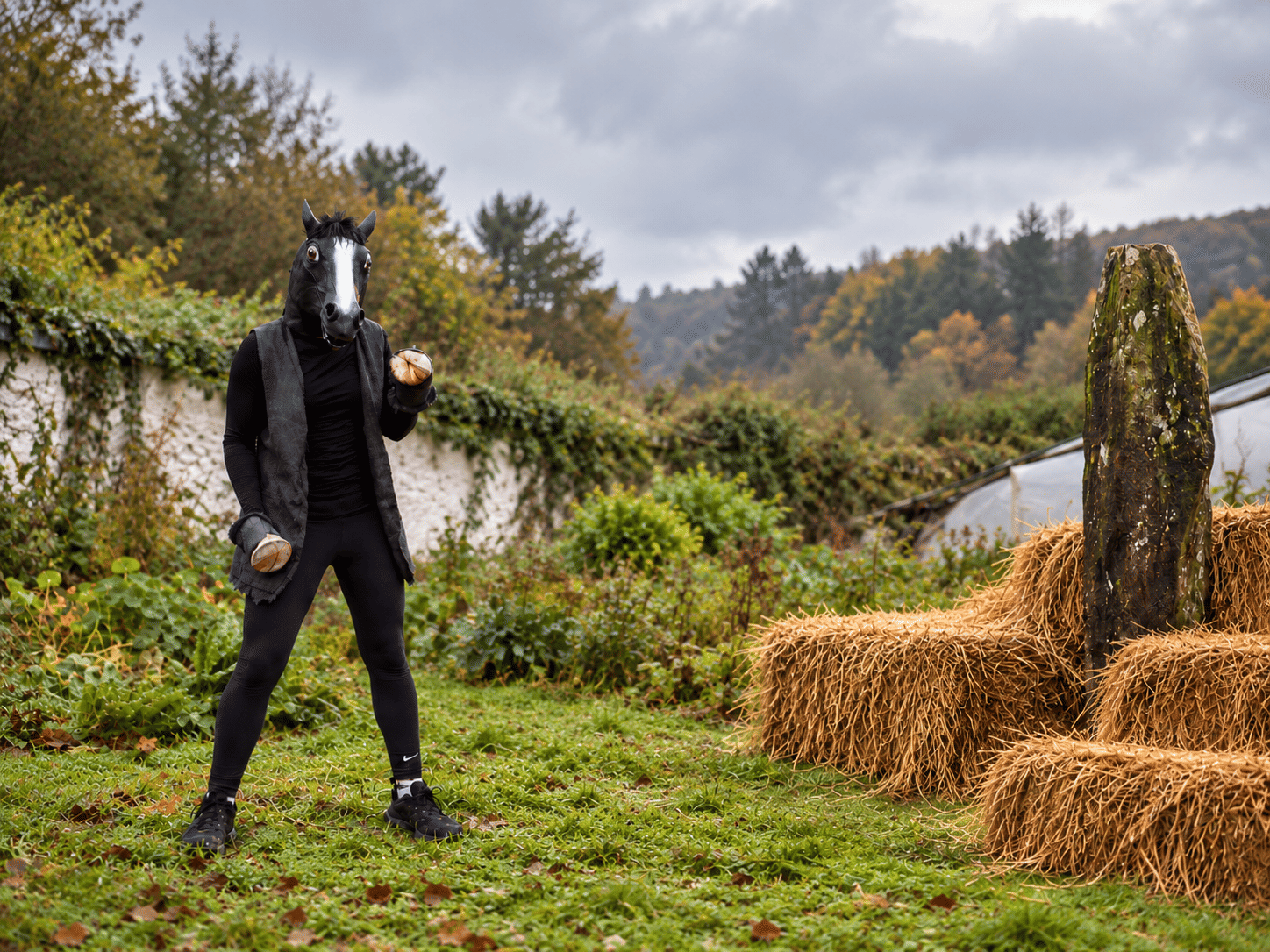
Meet the bean sí, the púca and the cailleach on a guided walk.

Make your own Samhain mask and take it home.

Homemade bairín breac and hot drinks included.

Adults from €29 • Children from €19

No booking fees. No hidden extras. The price you see is the price you pay.

Now in its fifth year, A SCARE AT SAMHAIN is by some margin our most popular seasonal experience, bringing together local folklore, storytelling and some of the traditions that sit behind Halloween in West Cork. This year’s experience runs for approximately 2 ½ hours and brings together storytelling, folklore, mask-making, a real bairín breac and some of West Cork’s older Samhain traditions.

Far removed from the commercialised version of Halloween, we delve into the stories, customs and beliefs that surrounded Samhain here in West Cork. Along the way, we meet some of the strange figures that have long inhabited the Irish imagination, including the bean sí, the cailleach and the púca, through local folklore, old stories and the dúchas of this place.

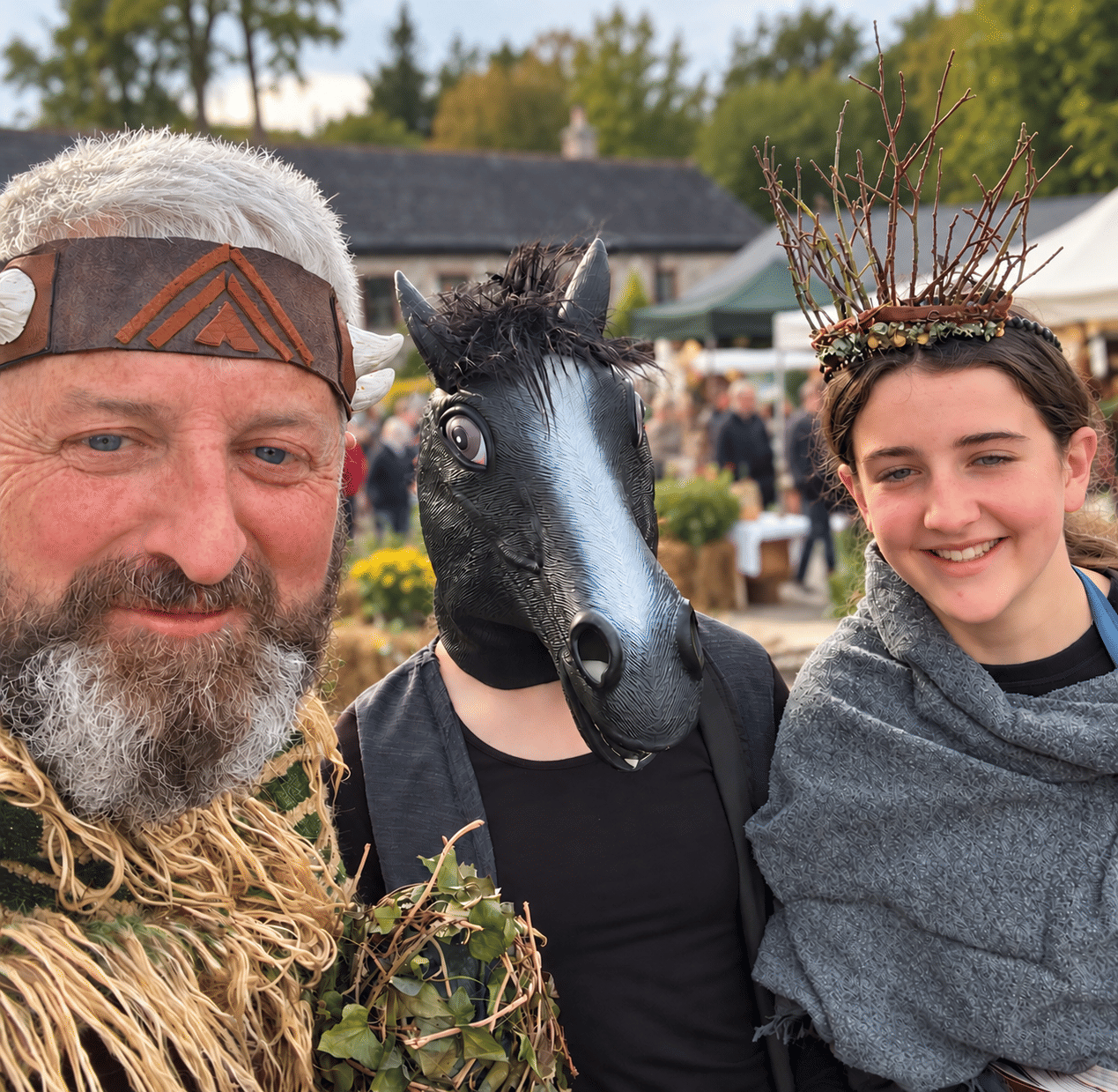
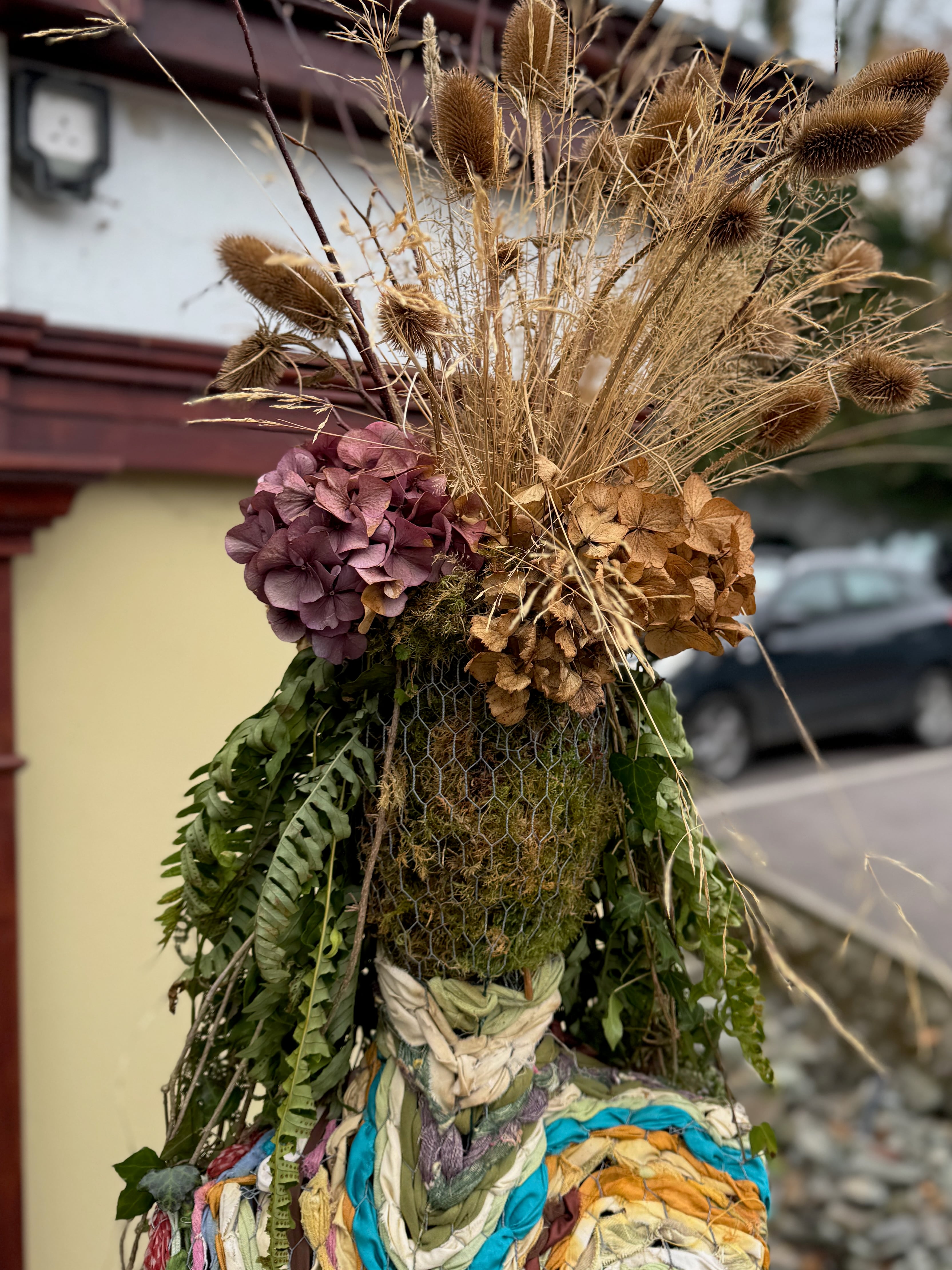
At the heart of this year’s experience is An Mascallacht, West Cork’s old tradition of masking and disguise at Samhain.

This year, you won’t simply hear about An Mascallacht. You’ll take part in it.

We begin beside Leap’s historic waterfall, where every participant will make their own Samhain mask, wear it during the afternoon and take it home afterwards. Through storytelling, folklore and a bit of mischief, we’ll explore why people disguised themselves at this time of year and how masking traditions survived here long before modern trick-or-treating arrived.

Once the masks are made, we set off together for Leap Community Garden, with stories, local folklore and Samhain customs along the way.

For 2026, we’ve created an entirely new route and format. We won’t be heading into Myross Wood this year. Instead, the experience takes place in and around Leap, combining storytelling, masking, local folklore and Samhain traditions in a completely new way.

We finish at Ger’s Wild Atlantic Diner, where there’ll be something warm to drink and Celine’s homemade bairín breac, because Halloween without bairín breac would hardly be Halloween at all.

Expect strange stories, old customs, masks, laughter, a bit of mischief and perhaps the odd shiver down your spine.

Come curious, make your mask, and step with us into the older Samhain of West Cork, full of stories, piseoga and the creatures that have haunted the Irish imagination for generations.

Duration: approximately 2 hours 15 minutes.

What's included?
    • Guided Samhain walk through Leap
    • Storytelling and encounters with characters from Irish folklore, including the bean sí, púca and cailleach
    • Samhain mask-making workshop
    • All mask-making materials
    • Hot drink and Celine’s homemade báirín breac
    Exclusions

      Transport to and from Leap is not included.

      Please note
      • Stroller / pram accessible
      • Animals or pets allowed
      • Public transportation nearby

      Glossary of Terms

      Samhain( sow-in )

      Samhain marks the beginning of winter in the old Irish calendar. Irish tradition associates the period with gatherings, divination, the dead and encounters with beings of the Otherworld.

      An Daghdha( ahn dah-gah )

      A major figure among the Tuatha Dé Danann in Irish mythology. His name is commonly understood as “the good god”, with good here carrying the sense of skilled or accomplished. He is associated with abundance, agriculture, magic and great supernatural power.

      Bean Sí( ban shee )

      Literally meaning "woman of the fairy mound," the Bean Sí is a female spirit in Irish folklore whose mournful wail or keening is said to foretell the death of a family member. This term is the origin of the modern word "banshee."

      Cailleach( kye-lukh )

      A powerful female figure found throughout both Irish and Scottish folklore, often associated with winter, wild weather and the shaping of the landscape. She appears in many different local traditions, sometimes as an old woman, sometimes as a supernatural being of immense age and power. Cailleach is sometimes translated into English as “witch”, but that is a poor and misleading translation.

      Púca( poo-ka )

      A shape-shifting creature from Irish folklore, the Púca can bring both good and bad fortune. It often appears as an animal such as a horse, goat, or rabbit, and is known for leading travelers astray.

      Dúchas( doo-kas )

      A rich Irish word with no direct English equivalent. It can mean inherited tradition, heritage and a deep sense of belonging to a particular people and place. Dúchas is the knowledge, stories, customs and connections that are passed down through generations and rooted in the landscape and community.

      Mascallacht(masc-uh-lokht)

      An ancient West Cork custom that predates the modern "Trick or Treat" by thousands of years. The Mascallacht tradition involves rituals, disguises, and offerings to spirits during Samhain to ensure protection and good fortune for the community.

      Bairín Breac( baw-reen brack )

      A traditional Irish fruit bread closely associated with Halloween and with fortune-telling. Traditionally, a number of objects were hidden inside, including a ring, coin, pea, bean, rag and stick, with each carrying its own prediction for the person who found it. The meanings varied from place to place, but could foretell marriage, wealth, poverty or other fortunes for the year ahead. We’re keeping this tradition alive in Celine’s homemade bairín breac this year.

      Bláth na Gréine( blaw na gray-nya )

      Traditional Irish placename for the woodland at the bottom of Leap village meaning blossoming of the sun. In other contexts, it also symbolises a sunflower but this is not the case here. There are many otherworldly stories from local folklore associated with Bláth na Gréine and it is alleged an otherworldly funeral passes on the section between the Poll Mór and An Droichidín every night of the year.

      What to bring
        • We walk on a short section of trail so shoes with some grip is advised.
        • During October in Ireland, carrying an umbrella or a rain jacket is usually advisable 
      • We walk on a short section of trail so shoes with some grip is advised.
      • During October in Ireland, carrying an umbrella or a rain jacket is usually advisable